By Paul Maguire, CEO and Co-founder, Knowmadics
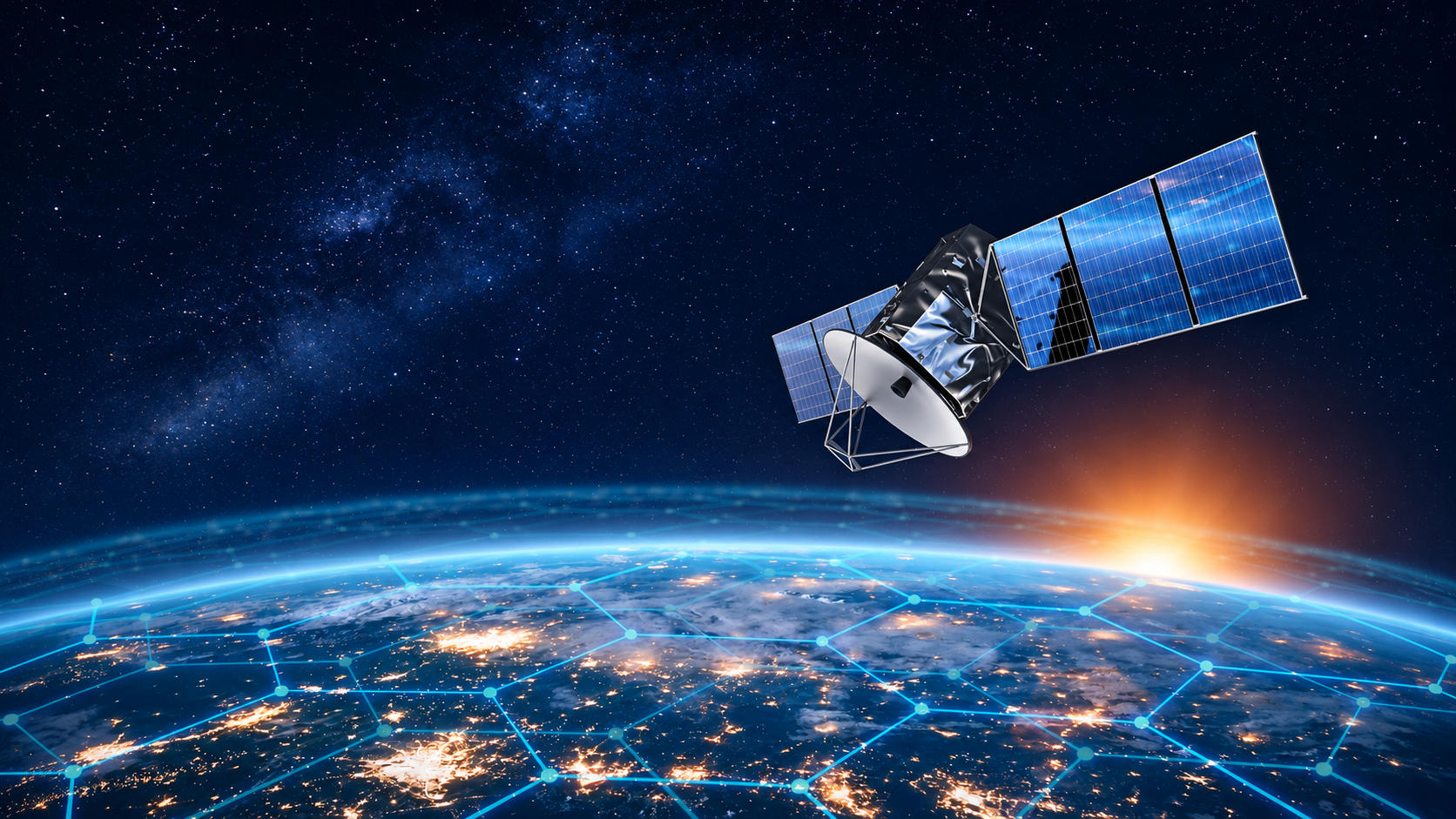
Over several days in October, Russia’s Cosmos 2612 maneuvered close to ICEYE-X36, a U.S.-operated commercial imaging satellite, and shifted positions ahead of and behind it. Breaking Defense reported that the spacecraft came within approximately 500 meters, citing tracking company LeoLabs. Commercial operators following the encounter have reason to examine how their teams would respond to a similar approach while its purpose remains uncertain.
Rendezvous and proximity operations support legitimate activities such as satellite servicing. Coordinated approaches give participants agreed procedures for operating nearby. Without that cooperation, a team has to interpret another spacecraft’s movements while deciding how to protect its own.
Independent tracker Marco Langbroek documented repeated orbital adjustments leading to the encounter, while noting uncertainty in closest-approach estimates. Such observations help operators assess developing behavior, although they don’t establish that a collision was intended or a weapon deployed.
A protective maneuver can consume limited propellant or interrupt planned operations, depending on the spacecraft and mission. Continued observation preserves those resources but requires the team to reassess the risk as the other spacecraft moves. That choice may become necessary before the operator understands the purpose of the approach.
If a foreign satellite loiters nearby, the operator managing the satellite being surveilled must assess collision risk, intent, and maneuverability while preserving mission effectiveness, avoiding unnecessary maneuvers that reward coercive proximity or escalate tensions.
Observations of the approaching spacecraft should be examined alongside the operator’s own telemetry and communications status. A performance change during the encounter warrants investigation, but timing alone wouldn’t establish its cause. Comparing it with operating history helps the team assess possible explanations and decide what to examine next.
That connection between behavioral context and continuous mission assurance informs decisions about which tasks a satellite can continue to support as conditions change. Acting on the assessment also requires clear authority to maneuver and established government contacts. A possible interruption brings customer commitments into those decisions.
A debris-producing collision would extend the consequences to other operators. Accumulated debris can contribute to further collisions through collisional cascading, although the reported encounter doesn’t establish that such an outcome was imminent.
The Cosmos 2612 encounter gives commercial operators a reason to examine how they would respond to a deliberate approach. By the time another spacecraft’s purpose becomes clear, the opportunity to protect a satellite without disrupting its mission may have narrowed. Preparing now means establishing what information would justify action and who has authority to take it, so teams can make a considered decision while intent remains uncertain.